







3 Strong Signs U.S. Interference in Colombia Is Triggering Backlash
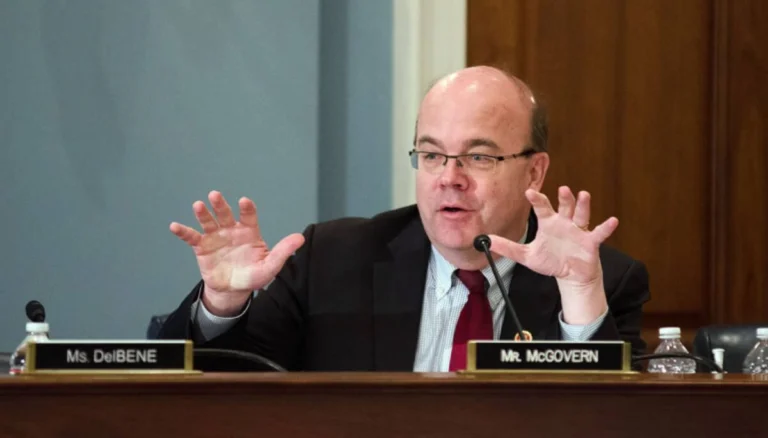
U.S. lawmakers rejected Donald Trump’s support for a Colombian presidential candidate and defended Colombia’s electoral sovereignty.
June 13, 2026 Hour: 11:21 am
🔗 Comparte este artículo
U.S. interference in Colombia sparks backlash as 20 House lawmakers reject Trump’s support for Abelardo De la Espriella ahead of the June 21 runoff.
Related: Colombia Lifted 1.8 Million People Out of Poverty in 2025
U.S. interference in Colombia has drawn a strong rebuke from a group of U.S. lawmakers who said Donald Trump’s public support for far-right candidate Abelardo De la Espriella violates Colombia’s sovereignty. The statement, backed by 20 members of Congress, came just days before Colombia’s June 21 runoff election.
U.S. interference in Colombia faces congressional pushback
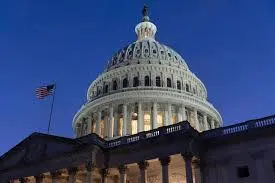
The statement was led by Congressman Jim McGovern and signed by 19 other members of the U.S. House of Representatives. The lawmakers warned that Trump’s actions, along with those of other legislators who seek to promote a preferred candidate, are harmful to the democratic rights of the Colombian people. Their message was clear: external pressure should not decide the outcome of a sovereign election.
The lawmakers said Colombia has long had a relationship of “friendship and partnership” with the United States. That history, they argued, makes Trump’s intervention even more damaging, because it breaks with the principle of mutual respect between two countries that have maintained close political and security ties for decades.
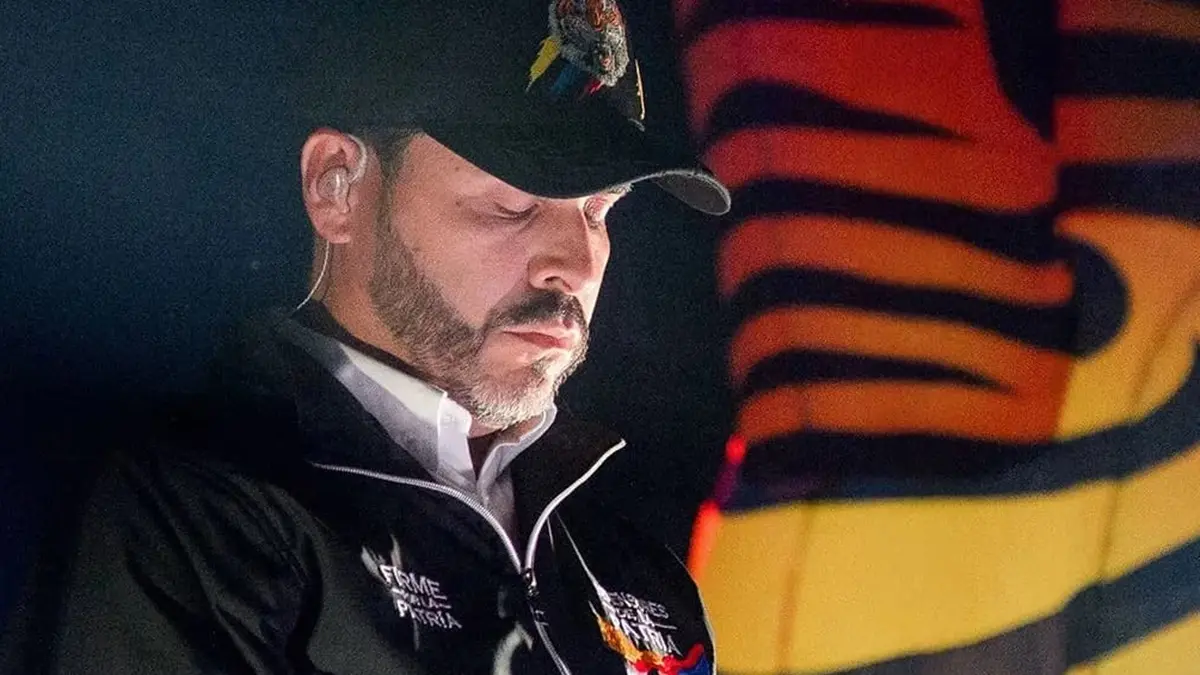
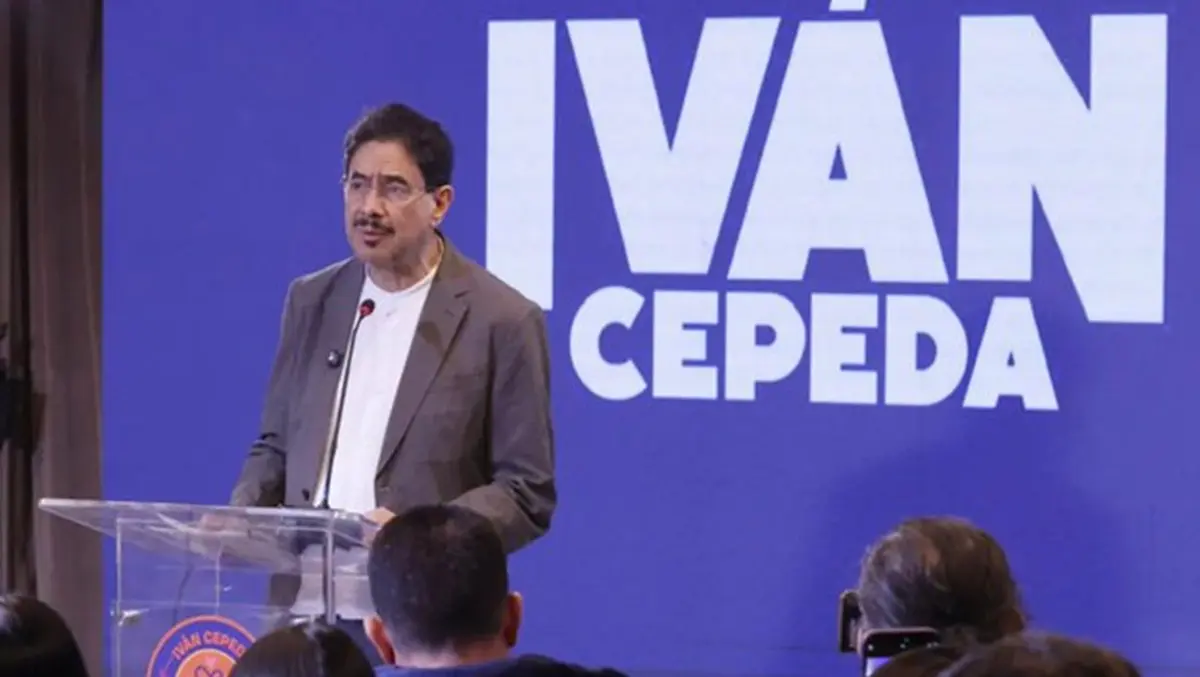
The criticism came after Trump publicly endorsed Abelardo De la Espriella, who won 43 percent of the vote in Colombia’s first round on May 31, ahead of Iván Cepeda, the candidate of the governing Historic Pact, who received 40 percent. Trump claimed a De la Espriella victory would boost economic growth, security, and bilateral cooperation, while at the same time attacking Cepeda in public.
The congressional statement rejected that posture outright. The lawmakers said backing, promoting, or tipping the scales in favor of one candidate is a direct intrusion into Colombia’s democratic process. They also said they were prepared to work with whichever candidate wins the runoff on June 21.
- U.S. House of Representatives
- Congressional Progressive Caucus
- Reuters on Colombia election developments
The runoff battle and the political stakes
U.S. interference in Colombia comes at a decisive moment in the country’s political calendar. The first round produced a tight contest between De la Espriella and Cepeda, with the runoff now set for June 21. Trump’s endorsement immediately injected an external factor into a race already marked by polarization, media pressure, and competing visions for the country’s future.
De la Espriella, a far-right lawyer with no prior elected office, has presented himself as a defender of order, markets, and hard security. Cepeda, by contrast, has centered his campaign on peace, social reform, and continuity with the Historic Pact’s agenda. The presidential race is therefore being framed not just as a choice between individuals, but as a referendum on Colombia’s political direction.
The lawmakers’ response also intersects with a broader concern in Washington about the appearance of partisan alignment in foreign elections. Their statement suggests that Trump’s intervention goes beyond normal diplomatic signaling and enters the realm of open political meddling. That kind of move can quickly become a liability in bilateral relations, especially when a country’s sovereignty is at issue.
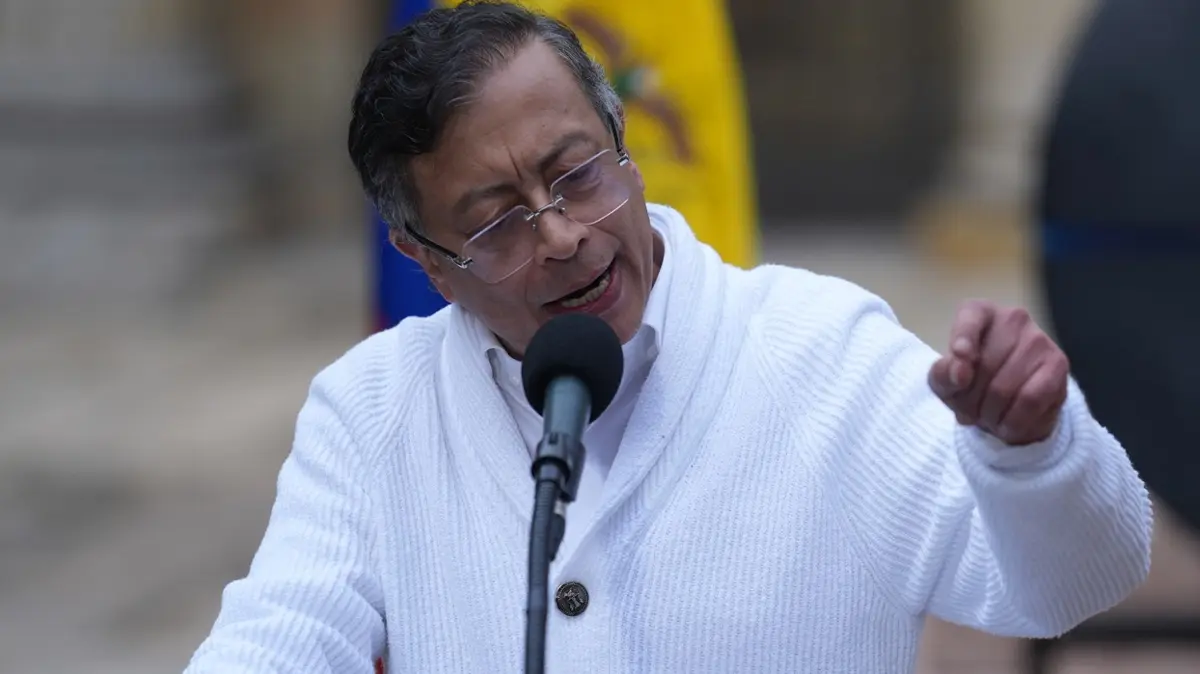
The controversy intensified further after the U.S. government suspended a planned meeting between President Gustavo Petro and New York Mayor Zohran Mamdani. Washington said the meeting could violate the conditions for Petro’s entry into U.S. territory. The timing reinforced the impression of an increasingly tense climate between the two governments.
Geopolitical context
U.S. interference in Colombia matters beyond a single election. It touches on a broader struggle over sovereignty in Latin America, where governments and voters remain sensitive to outside pressure in moments of political transition. For many in the region, Trump’s endorsement recalls an older pattern of U.S. involvement in local politics that often produced distrust rather than stability.
The episode also matters because Colombia remains a key U.S. partner on security, migration, and counter-narcotics cooperation. If Washington appears to take sides in a domestic race, it risks weakening the credibility of that partnership and complicating future collaboration. At the same time, the backlash from U.S. lawmakers shows that the issue is not simply partisan, but institutional.
This dispute now sits at the intersection of democracy, diplomacy, and regional influence. If the runoff result is close, Trump’s intervention could remain part of the political argument long after the ballots are counted. That makes the congressional criticism more than a symbolic gesture; it is also a warning about the costs of overreach.
Author: JMVR
Source: Agencias - @RepMcGovern